
Padbol® vs padel: what makes the game different?
Padbol and padel share a court format, but the experience changes completely when your feet replace your racket.
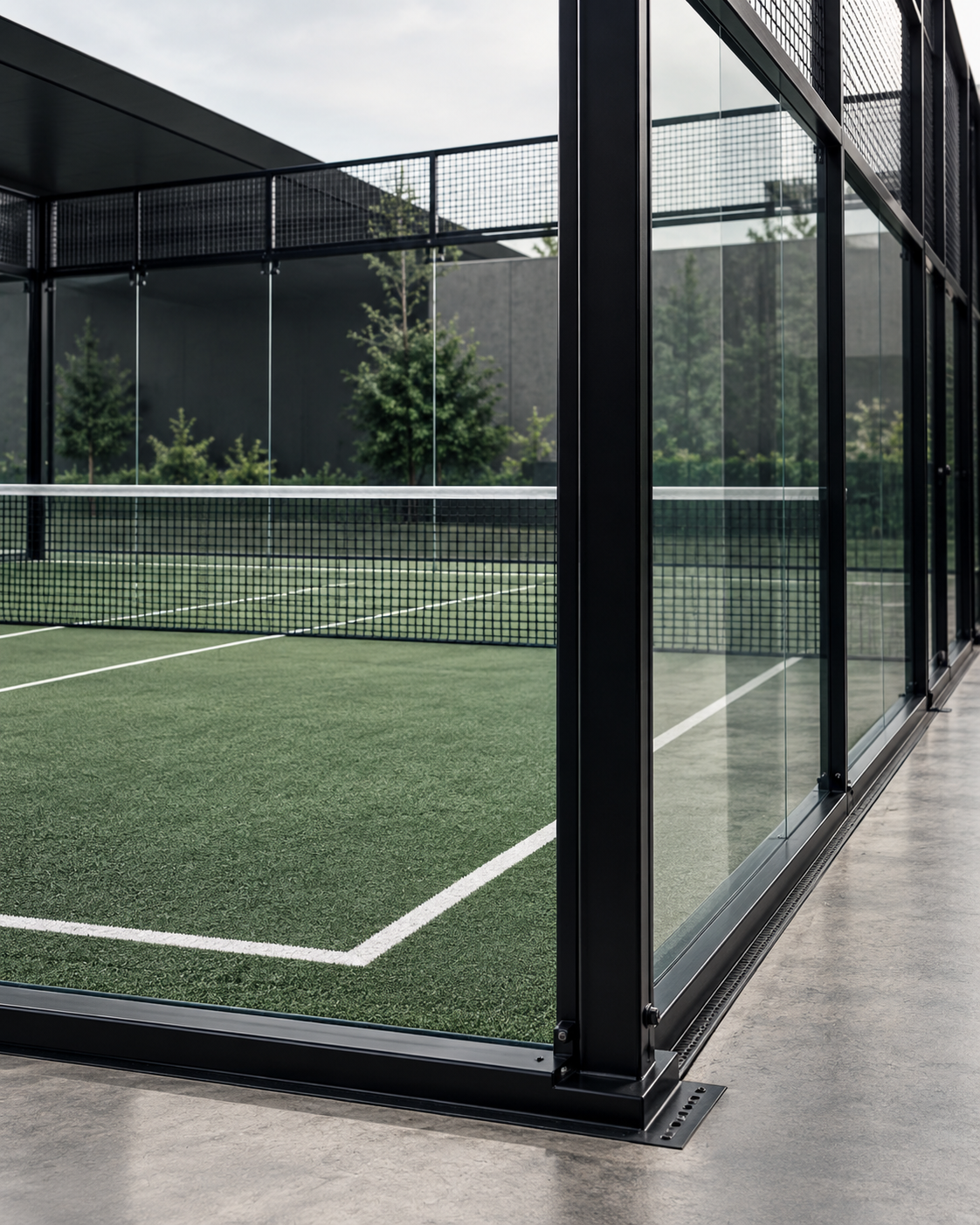
Both sports are social, court-based and built around the energy of a rally. The key difference is how you control the ball. Padel gives you a racket. Padbol gives you your whole body.
Same court energy, different language
Padel is built around a racket, a lighter ball and a familiar tennis-style exchange. Padbol borrows the enclosed court and the strategic wall play, then brings the instinct of football into the centre of the experience.
That changes the first touch. Instead of preparing a swing, players read the ball with their feet, chest, head, knees and shoulders. The movement is less about a perfect stroke and more about keeping the next option open.
What changes on the court?
Why does padbol feel so accessible?
Most people already have a relationship with a football. They know how it moves, how it feels to cushion a pass and how quickly a simple touch can become a creative one. Padbol uses that instinct, then adds the structure of a court and the tension of a net.
The result is a format that works across age groups and experience levels. Beginners can join quickly. More experienced players have plenty to improve: wall angles, timing, movement and the decision to attack or reset.
Which sport is right for a venue?
That depends on what you want to add. Padel is a strong choice for players who want a racket sport and a familiar booking format. Padbol is a strong choice for venues that want to bring football energy into a compact, highly visible court.
For football clubs, companies and sports destinations, padbol can sit alongside existing activities and give people another reason to visit. It creates a different kind of play without asking for the footprint of a full pitch.
Plan a Kickcourt